Introduction
I’ve always struggled with finding the right balance between warmth and style when it comes to winter jackets. The eternal dilemma I call “mammoth vs sharks” – do you bundle up like a prehistoric creature or sacrifice warmth for something sleek and modern? For years, I bounced between coats that left me shivering or made me look like I was preparing for an arctic expedition during a simple city commute. This ongoing battle with outerwear became a seasonal ritual until I started paying closer attention to what actually worked in my daily life rather than what looked impressive on a hanger.
Living in a climate where autumn transitions sharply into winter and spring teases with occasional cold snaps, I needed something that could handle the in-between seasons without making me feel like I was wearing a sleeping bag. My search wasn’t about finding the warmest possible jacket, but rather the most appropriately warm one for my actual lifestyle. The realization that I was solving the wrong problem came gradually, through countless mornings of overdressing or underdressing and suffering the consequences throughout my day.
What I discovered through this process was that my approach to winter gear had been fundamentally flawed. I was either choosing jackets based on extreme weather scenarios that rarely occurred in my urban environment or selecting fashion-forward pieces that offered little protection against the actual chill I faced during my daily routines. The mammoth versus sharks metaphor perfectly captured my frustration – I was either over-prepared or completely exposed, with no middle ground that suited my reality.
Real-life Context
My daily life involves a mix of short walks to public transportation, waiting at uncovered bus stops, and moving between temperature-controlled buildings. I’m not hiking mountains or camping in sub-zero conditions, yet I need reliable protection against the wind and damp chill that characterizes much of the year in my city. The jacket I needed had to transition seamlessly from my morning commute to casual evening outings without requiring a complete outfit change or making me feel bulky during indoor activities.
I remember one particular Tuesday that highlighted my jacket problem perfectly. I had an early morning meeting across town, followed by lunch with colleagues, and then an evening gathering at a friend’s apartment. The temperature hovered around 8°C with a persistent drizzle – exactly the kind of weather that made my existing jackets either too heavy or completely inadequate. My usual choice would leave me either sweating during the indoor portions or shivering during the twenty-minute walks between locations.
What made this daily context particularly challenging was the need for a jacket that could handle variable conditions without drawing attention to itself. I wanted something that worked in the background, providing consistent comfort without becoming the focus of my outfit or requiring constant adjustment. The perfect jacket would be like a reliable friend – present when needed, unobtrusive when not, and always appropriate for the situation. This realization shifted my perspective from seeking technical specifications to considering how a jacket would actually perform during my typical day.
The urban environment presents unique challenges for outerwear. Sudden ran showers, wind tunnels between buildings, and the constant transition between heated interiors and chilly exteriors demand a jacket that can adapt without fuss. I needed something that could be worn for hours without becoming uncomfortable, that didn’t bulk up when sitting in cafes or theaters, and that maintained its appearance through the wear and tear of city life. These practical considerations became more important to me than any technical rating or extreme weather certification.
Observation
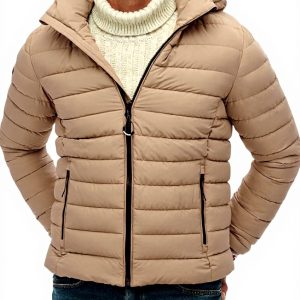
When I first tried the Superdry Fuji Padded Jacket in beige, I noticed immediately how its weight distribution felt different from other coats I’d worn. At approximately 1.5 kilograms, it had enough substance to provide genuine warmth without feeling burdensome during extended wear. The padding seemed strategically placed rather than uniformly distributed, which created warmth where needed without adding unnecessary bulk across the entire garment. This thoughtful construction became apparent during my first full day of wearing it through my usual routine.
During my morning commute, the jacket provided just enough insulation against the crisp air without causing me to overheat during the crowded subway ride. The beige color, which I’d initially worried might show city grime too easily, actually proved surprisingly versatile – it worked equally well with the dark trousers I wore for work and the casual jeans I changed into for evening plans. More importantly, the color maintained its appearance throughout the day, resisting the slight splashes and spills that are inevitable when navigating crowded urban spaces.
What struck me most was how the jacket performed during those transitional moments that usually cause discomfort. Waiting at the bus stop in a light drizzle, the fabric provided basic protection against the moisture without feeling stiff or waterproof in an artificial way. When the sun briefly emerged during my lunch break, the jacket didn’t become oppressively warm but rather adjusted to the changing conditions. This adaptability was something I hadn’t experienced with previous jackets, which tended to perform well in specific conditions but failed when those conditions changed.
The jacket’s design elements that initially seemed purely aesthetic revealed their functional purpose throughout the day. The cut allowed for comfortable movement whether I was reaching for overhead handrails on the train or gesturing during conversations. The pockets positioned themselves naturally where my hands fell when walking, providing warmth without requiring conscious adjustment. Even the way the collar sat against my neck seemed considered – high enough to block wind but not so high as to feel restrictive when turning my head. These small details accumulated into a significant difference in overall comfort.
Reflection
I didn’t realize at the time that this would be so important, but the jacket’s versatility across different social contexts became one of its most valuable attributes. It worked equally well for my professional meetings, casual lunches, and evening socializing without ever feeling out of place. This seamless transition between different aspects of my life represented a solution to a problem I hadn’t fully articulated – the need for a single piece of outerwear that could accommodate my entire day without compromise.
Reflecting on my earlier mammoth versus sharks dilemma, I understood that the problem wasn’t about choosing between extremes but finding something that occupied the sensible middle ground. The Superdry jacket provided adequate warmth for the conditions I actually faced without the bulk that made other coats impractical for daily use. It offered style that felt contemporary without sacrificing the functionality I needed for comfort. This balance between opposing qualities – warm but not heavy, stylish but not delicate, functional but not technical – represented exactly what I’d been missing in my search for the perfect jacket.
The experience made me reconsider how I evaluate clothing in general. Rather than focusing on individual features or specifications, I began paying more attention to how pieces perform within the context of my actual life. A jacket’s weight matters less than how that weight distributes during wear. Water resistance matters less than how the fabric handles the specific moisture conditions I encounter. Style matters less than how the piece integrates with the rest of my wardrobe and activities. This shift in perspective from theoretical performance to lived experience transformed my approach to building a functional wardrobe.
What surprised me most was how the jacket’s understated design allowed it to work across seasons and occasions. The beige color, which I initially considered a compromise, actually proved to be its greatest strength – neutral enough for business casual settings, yet warm enough to feel approachable in social situations. The padding provided just enough insulation for cool weather without making the jacket unusable during milder days. This flexibility meant I reached for it more frequently than any other outerwear I owned, simply because it reliably worked for whatever my day might bring.
Thinking back to my previous jacket purchases, I recognized a pattern of buying for extreme conditions I rarely encountered while neglecting the moderate conditions I faced daily. The mammoth jackets prepared me for blizzards that never came, while the shark-like fashion pieces left me uncomfortable during ordinary chilly days. The Superdry Fuji occupied that practical middle ground that actually matched my reality – it handled the typical rather than the exceptional, which proved far more valuable in the long run.
Conclusion
My experience with this jacket taught me that solving the mammoth versus sharks dilemma requires understanding your actual needs rather than theoretical extremes. The right balance depends entirely on your specific lifestyle, climate, and daily patterns. For my urban existence with its mix of indoor and outdoor activities, moderate temperatures, and variable conditions, the Superdry Fuji Padded Jacket provided exactly the combination of warmth, comfort, and style I needed without excess or deficiency.
The jacket’s performance across different scenarios demonstrated how thoughtful design can create versatility without compromise. Its ability to handle light moisture, provide consistent warmth, and maintain comfort during extended wear made it reliably useful rather than situationally excellent. This reliability proved more valuable than any single exceptional feature, as it meant I could depend on the jacket day after day without worrying about whether conditions matched its specific strengths.
What began as a search for a solution to my seasonal discomfort evolved into a broader understanding of how clothing should serve our lives rather than dictate them. The right jacket doesn’t announce its presence or capabilities but quietly performs its function while allowing you to focus on your day. It becomes an extension of your routine rather than an interruption to it. This subtle integration of form and function represents the ideal resolution to the mammoth versus sharks conflict – not a victory of one approach over the other, but a synthesis that serves actual needs.
Looking forward, I approach seasonal clothing choices with this balanced perspective. Rather than seeking the warmest or sleekest option, I consider how pieces will perform within the context of my typical days. The goal isn’t extreme performance in any single dimension but consistent adequacy across all the dimensions that matter for my lifestyle. This shift from theoretical ideals to practical reality has not only improved my comfort but transformed how I build a functional wardrobe that actually serves my life rather than my imagination of what it might be.

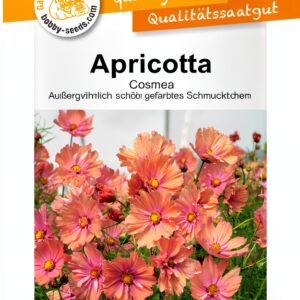 Blumensamen Apricotta Cosmee Portion
  Piranha Pflanze Plüsch 23 cm weiches Polyester rotes rosa Design